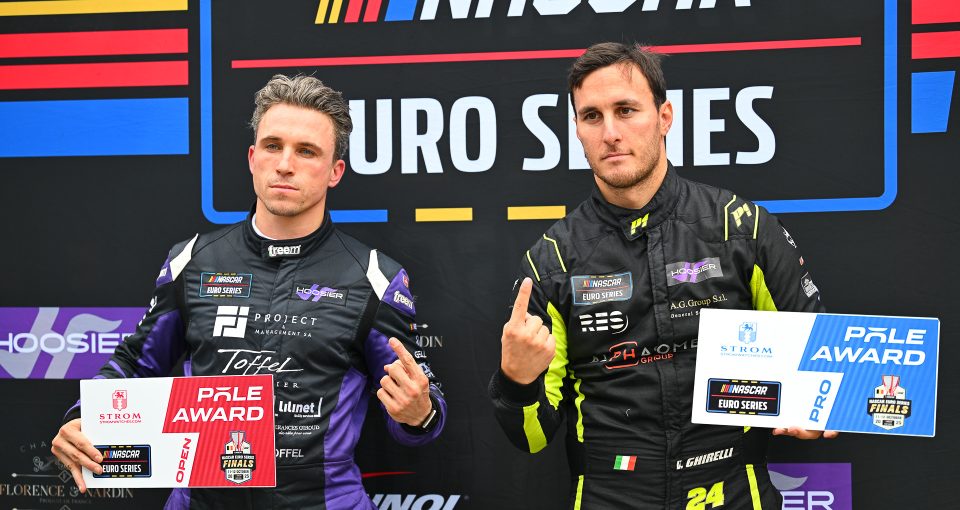
New 2026 qualifying format brings high-stakes elimination drama to NASCAR Euro Series Saturdays
- The PRO championship faces a grueling cutline system, moving from a full-field sprint to a top-15 dash, and ending in a tense top-10 Superpole shootout
- Rising stars and gentleman drivers in OPEN get their own spotlight with a new top-10 shootout following the initial 15-minute open session
- A thrilling all-in Q1 will make traffic management and raw speed critical for survival
In the world of motorsports, Qualifying has often been viewed as a mere prelude to the racing show. But come 2026, the NASCAR Euro Series is flipping the script. With the announcement of a ruthless new knockout qualifying format, the series has sent a clear message to the garage area: wake up fast, or park it early.
The sanctioning body unveiled a radical overhaul of its qualifying procedures, ditching traditional group stages for a high-pressure, three-stage elimination format in the PRO division and a high-stakes shootout for the OPEN category. The changes prioritize raw speed and traffic management.
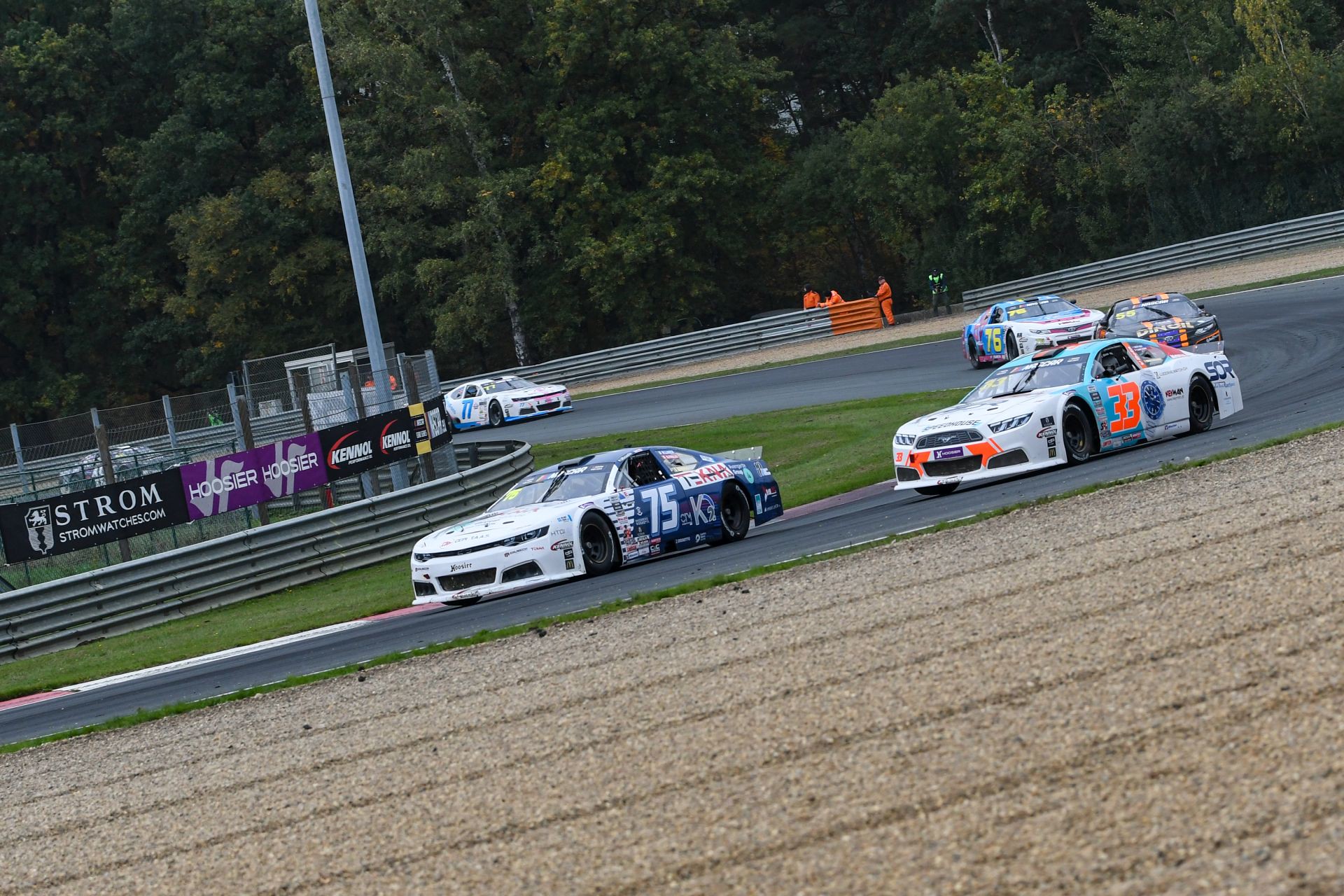
The PRO Division: The Three-Stage Brawl
For the top-tier PRO division, the path to the front row is no longer a gentle climb; it is a sheer cliff face. The new format introduces a “survival of the fastest” mentality that mirrors the intensity seen in the highest echelons of global motorsport.
Stage 1: Handling Traffic (Q1)
The session opens with a wild 10-minute sprint. Crucially, the series has abolished split groups. Every V8 machine on the property will hit the asphalt simultaneously. For drivers, this creates a dual challenge: laying down a strong lap while navigating through traffic. Strategy from the spotter stand will be paramount as drivers hunt for a pocket of clean air.
Stage 2: The Cutline (Q2)
Only the fastest 15 drivers survive the initial cut. The intensity ramps up immediately in this rapid-fire segment, where competitors are restricted to just two flying timed laps. There is no time to burn fuel or warm up tires slowly; drivers must be on the limit from the moment they exit pit road.
Stage 3: The Superpole Shootout (Superpole)
The field is trimmed once more to the elite top-10. These survivors enter the ultimate pressure cooker: the Superpole. The protocol is strict – one warm-up lap, two consecutive flying laps, and a cooldown. The fastest driver takes the pole, but perhaps more importantly, the top-10 qualifiers lock out the first five rows of the grid for Race 1, securing vital track position before the green flag ever drops.
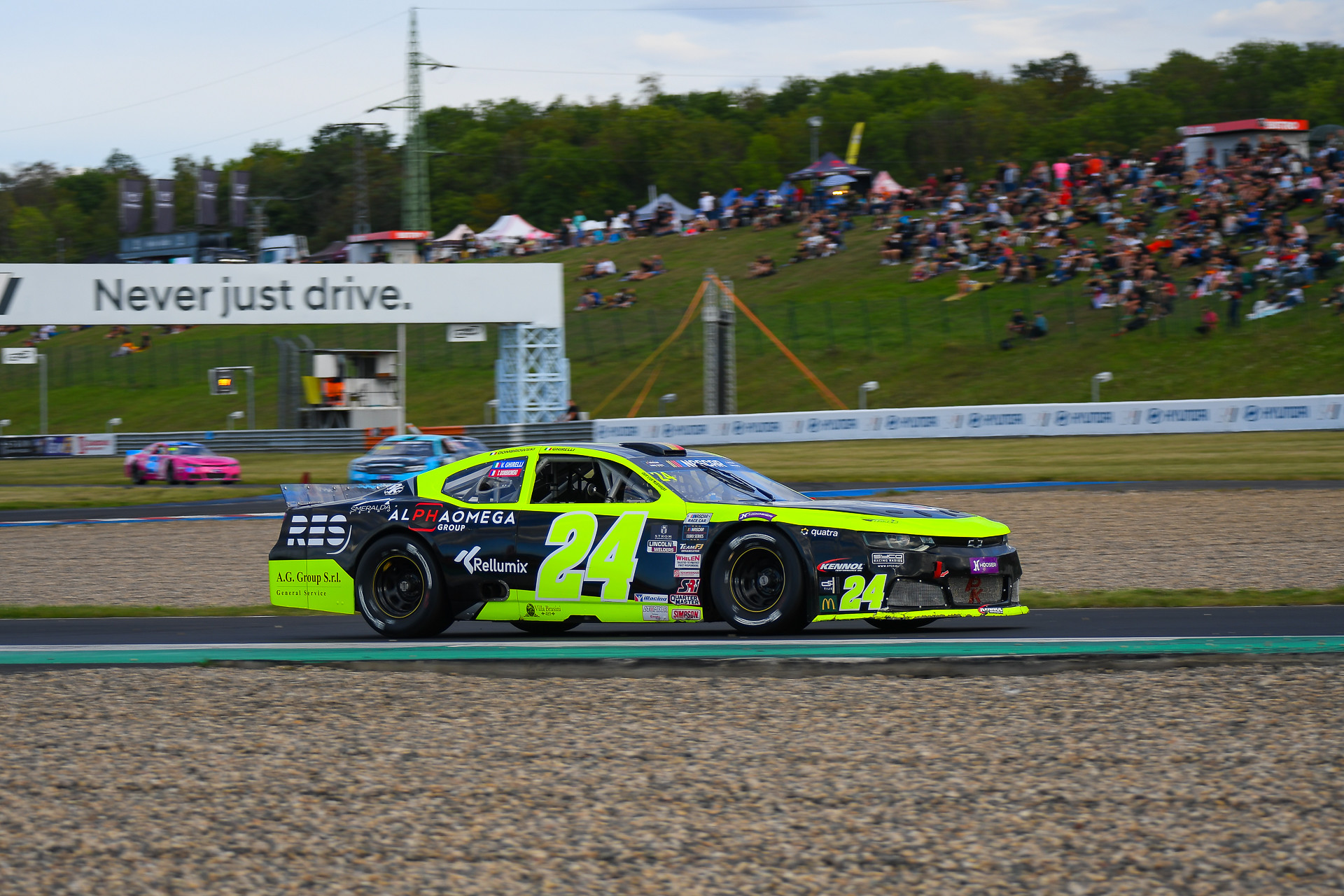
OPEN Division: A Spotlight for Rising Stars
Historically, the OPEN division – home to developing talent and gentleman drivers – has utilized a simpler format. That changes in 2026. The series is elevating the status of these competitors by introducing their own Superpole session.
Following a 15-minute open track session for the full field (Qualifying), the top-10 will advance to a dedicated shootout (Superpole). Like their PRO counterparts, they will have two flying laps to decide the pecking order. This move not only provides valuable experience under pressure for young drivers climbing the NASCAR ladder but also adds a broadcast-friendly crescendo to the morning’s events.
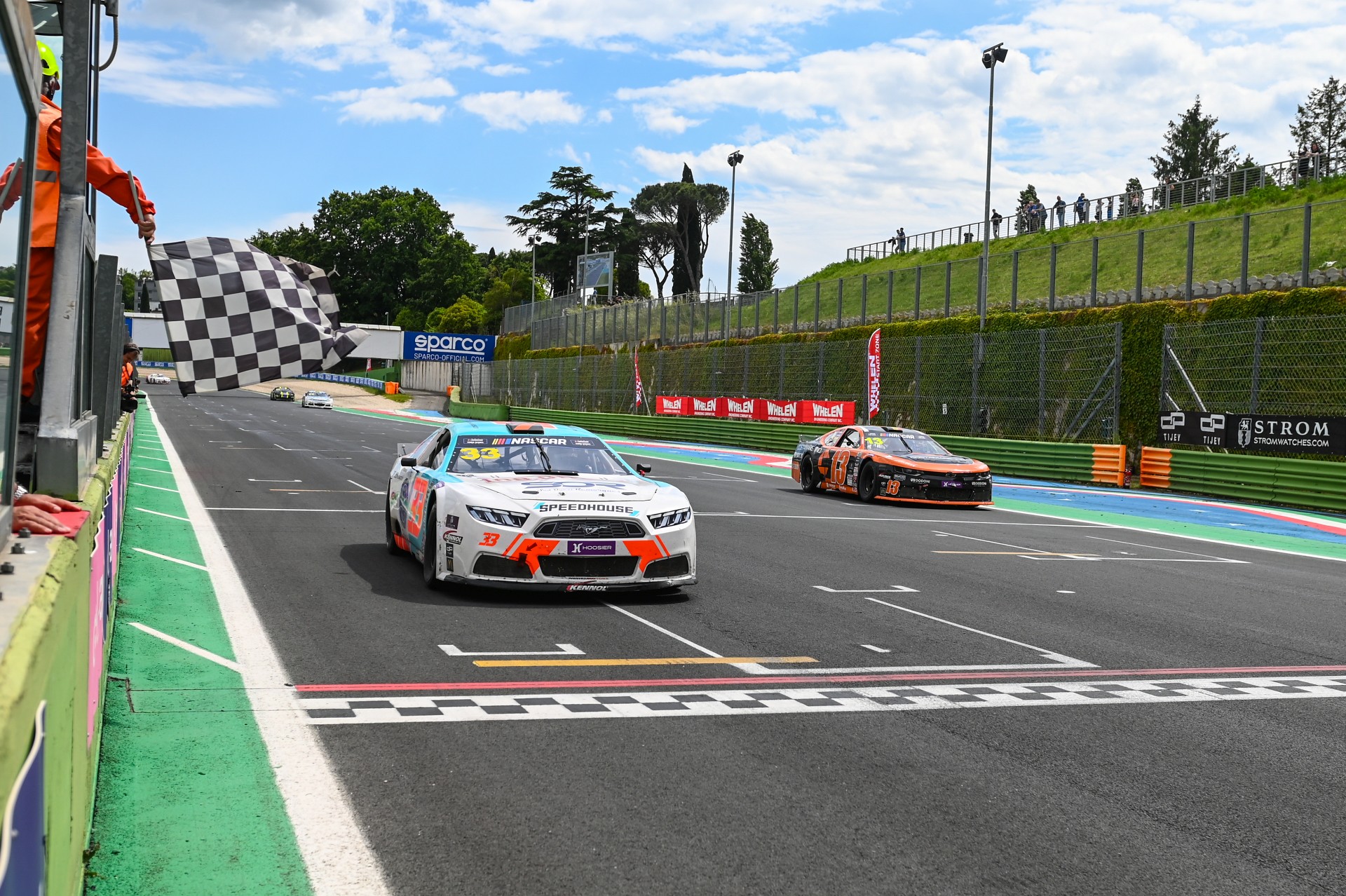
No Hiding Place
From a competition standpoint, this format is a masterstroke. It introduces narrative tension long before the race begins. In the old system, a top team could maybe keep an ace up the sleeve in the early stages of qualifying. In 2026, a blocked lap in Q1 or a minor brake lockup in Q2 could see a championship contender starting from the back of the pack.
The “No Hiding Place” philosophy ensures that the pit crews are just as stressed as the drivers. Adjustments must be lightning-fast between sessions, and tire management becomes a complex chess game.
As per standard regulations, the Race 1 grid is set by these qualifying speeds, while the Race 2 starting lineup will continue to be determined by the fastest lap times turned during the first race.
Featured image by NASCAR Euro Series / Nina Weinbrenner